Patellofemoral Pain Syndrome: Understanding and Managing Runner's Knee
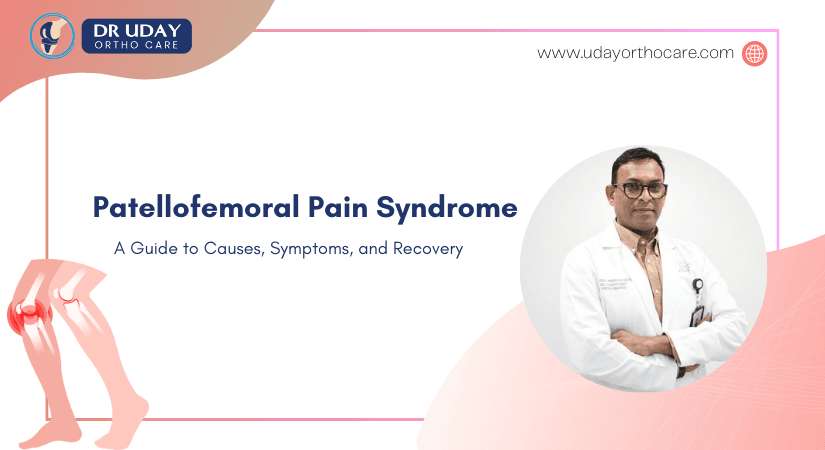
Are you suffering from pain at the front of your knee when climbing stairs, running, or sitting for long hours? That pain may be Patellofemoral Pain Syndrome, one of the most common causes of knee pain. It affects sportspersons, fitness enthusiasts, as well as less active individuals. This condition makes basic activities difficult, but early understanding and treatment can help you manage it effectively.
What Is Patellofemoral Pain Syndrome?
It is often called "runner's knee" and happens when the movement of the kneecap inside its groove is irregular. It causes knee pain and discomfort in front of the knee. The pain can be acute or chronic. People often describe it as a dull pain that worsens when a person is active.
Causes Of Patellofemoral Pain Syndrome
This condition has many causes. A few of the most common ones are:
- Excessive use of the knee joint during sports, running, or squatting.
- Muscle imbalance in the quadriceps, hips, or glutes.
- Improper kneecap alignment or patellar tracking issues.
- Flat feet or bad shoes that affect movement.
- Weak thigh muscles that cannot support the knee in the right place.
When these issues come together, there is a buildup of pressure on the knee joint, leading to pain.
Symptoms Of Patellofemoral Pain Syndrome
Early detection of the condition can help. Common signs include:
- Pain in the front of the knee that is either dull or aching.
- Pain that worsens when climbing stairs, running, or squatting.
- Discomfort after sitting for a long time, known as the "movie sign".
- Popping, clicking, or grinding sensations in the knee.
- Swelling in a few cases.
When you have these indications, it would be wise to take rest and consult an orthopedic doctor.
Diagnosis Of Patellofemoral Pain Syndrome
Physical examination is the method by which specialists diagnose Patellofemoral Pain Syndrome. They test knee position, strength, and flexibility. Imaging tests are usually not necessary. In most instances, diagnosis concentrates on finding pain during specific movements such as squatting and climbing stairs.
Treatment For Patellofemoral Pain Syndrome
There are various treatment options, including:
Conservative Treatments For Faster Recovery
The majority of patients heal with non-surgical procedures. Effective treatments include:
- Rest and Ice — reduce activities and use ice packs to soothe the pain.
- Physical Activity — strengthening exercises for quadriceps, hips, and glutes.
- Stretching — stretching tight muscles to make them more flexible.
- Knee Braces or Taping — short-term aid to minimize pain.
- Proper Footwear — supportive shoes or orthotics for better movement.
Advanced Therapies For Knee Pain
In some instances, physicians prescribe special techniques:
- Blood flow restriction therapy
- Neuromuscular training for better knee control
- Gait retraining for runners and athletes
Rare Surgical Options For PFPS
Surgery is rarely required. Only when conservative methods fail is this option considered.
The Way To Prevent Patellofemoral Pain Syndrome
To prevent Patellofemoral Pain Syndrome, you should:
- Warm up before activities.
- Slowly increase training intensity.
- Strengthen thigh, hip, and core muscles.
- Stretch quads, calves, and hamstrings.
- Use appropriate shoes.
- Avoid sudden changes in physical activity.
Regular workouts and paying attention to how the body works are important in keeping knees healthy.
Lifestyle Alterations For Knee Pain
Small modifications during daily life cause less strain to the knee:
- Take rest after spending a long time sitting.
- Maintain a proper weight.
- Pay attention to walking/running posture.
- Include low-impact movement like swimming or cycling.
These adjustments help reduce the burden on the knees and avoid future recurrence.
Quick Recovery Checklist For Patients
For faster recovery, keep these things in mind:
- Use ice after exercise.
- Follow strengthening routines regularly.
- Do not overtrain or jump around.
- Wear knee supports as required.
- Choose proper footwear.
- Be consistent with stretching.
Conclusion
Patellofemoral Pain Syndrome can be treated early through effective exercises and lifestyle modification. Stretching and strengthening make your movement less painful. If you are looking for the best guidance, you may consult Dr. Uday Prakash Reddy, who gives specialized care to those who require professional treatment.

About the Author
Dr. Uday Prakash Reddy
Senior Consultant Orthopedic Surgeon at Continental Hospitals, Hyderabad, with over 24 years of experience in orthopedics, arthroscopy and joint replacement.