Frozen Shoulder: Symptoms, Causes, and Effective Treatment Options
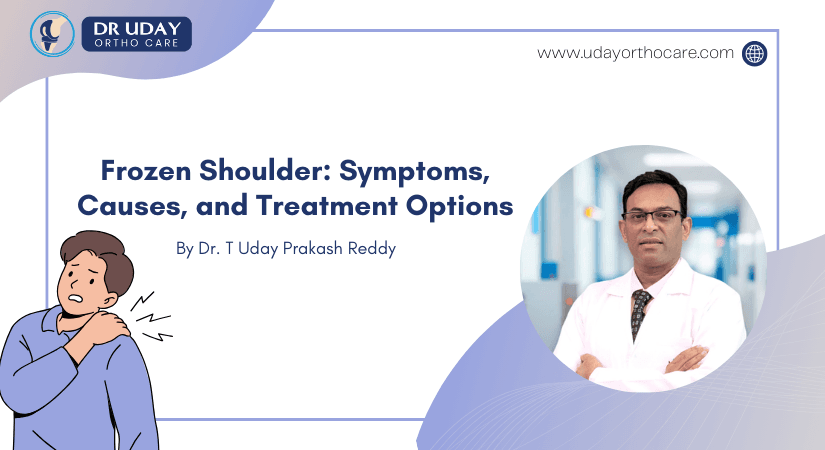
Adhesive capsulitis, known as frozen shoulder, frequently affects patients. It appears slowly while causing obstacles with routine activities. The common frozen shoulder symptoms involve constant stiffness, limited movement, and pain. People in the 40 to 60 age group, particularly women, have the highest risk of developing a frozen shoulder.
Although the causes are not always clear, healthcare professionals commonly link this condition to injury-related loss of mobility and post-operative immobility. Identifying symptoms at an early stage and getting the correct treatment help avoid complications while shortening healing time.
The Potential Symptoms of Frozen Shoulder
The primary indications of a frozen shoulder are continuous pain and loss of movement flexibility. A frozen shoulder progresses through three notable stages:
1. Freezing Stage (Painful)
- Gradual pain that gets severe over time.
- Shoulder movement becomes increasingly restricted.
- Pain is more severe at night, disrupting sleep.
2. Frozen Stage (Stiffness)
- The amount of pain decreases yet stiffness increases.
- Difficulty performing basic daily activities like getting dressed or combing hair.
- Shoulder movement is highly restricted.
3. Thawing Stage (Recovery)
- Gradual improvement in mobility.
- Stiffness decreases over time.
- Complete healing can take several months or even years.
Causes and Risk Factors
The exact cause of a frozen shoulder remains unidentified, yet multiple factors elevate its risk:
- Injury or Surgery — stiffness and inflammation arise from prolonged immobilization following injuries, surgeries, or fractures.
- Diabetes — patients with diabetes face increased chances of developing a frozen shoulder since the disease affects connective tissue.
- Thyroid Disorders — frozen shoulder may develop due to hypothyroidism or hyperthyroidism.
- Cardiovascular Disease — patients with poor heart conditions and blood circulation tend to experience joint stiffness.
- Prolonged Immobility — remaining inactive for lengthy periods, such as using a sling after an injury, raises the risk of a frozen shoulder.
How is Frozen Shoulder Diagnosed?
A professional medical diagnosis of a frozen shoulder depends on these factors:
- Medical History — the professional gathers knowledge regarding the patient's symptoms and underlying health conditions.
- Physical Examination — checking the range of motion and pain levels.
- Imaging Tests — X-rays, MRI, and ultrasound tests are sometimes performed to determine whether the frozen shoulder is due to arthritis or rotator cuff injuries.
What Treatment is Best for a Frozen Shoulder?
To stop long-term stiffness from developing, it is essential to start treatment early. Treatment options include:
1. Physical Therapy
Regular physical therapy is the most effective way to recover mobility. Through therapeutic guidance, therapists help patients do stretching and strengthening exercises to recover shoulder movement.
2. Pain Management
- OTC medications like acetaminophen and ibuprofen may help relieve pain and discomfort.
- Doctors often recommend corticosteroid injections to treat patients with severe pain and inflammation.
3. Hydrodilatation
Healthcare providers inject sterile fluid into the shoulder joint to stretch the capsule, generating better mobility in cases that don't respond to standard treatments.
4. Surgical Options
When non-surgical approaches prove ineffective, the following interventions may be considered:
- Shoulder Manipulation — medical staff move the shoulder under anesthesia to divide adhesive tissue in the joint.
- Arthroscopic Surgery — small surgical cuts allow doctors to eliminate scar tissue and stretch the joint capsule.
Seeking Expert Treatment in Hyderabad
People who have ongoing frozen shoulder symptoms need to seek help from specialists. If you are in Hyderabad, contact the best orthopedic surgeon in Hyderabad, Dr. Uday Prakash Reddy. He has extensive knowledge in treating shoulder conditions through specialized treatment methods tailored to individual patients.
How To Prevent Frozen Shoulder?
The prevention of a frozen shoulder is not always possible, yet certain steps help lower the chances of developing this condition:
- Stay Active — moving and stretching the shoulder regularly helps maintain flexibility.
- Post-Injury Rehabilitation — after injuries and surgical procedures, follow the prescribed exercises to minimize stiffness.
- Manage Underlying Conditions — proper control of diabetes, thyroid disorders, and cardiovascular diseases helps reduce risk factors.
Conclusion
Patients who receive proper treatment for frozen shoulder symptoms at an early stage often recover from limited function and discomfort quickly. You should get professional help quickly if you or someone close to you is experiencing these symptoms. Dr. Uday Prakash Reddy, with his expertise, helps patients restore their mobility while enhancing their quality of life.

About the Author
Dr. Uday Prakash Reddy
Senior Consultant Orthopedic Surgeon at Continental Hospitals, Hyderabad, with over 24 years of experience in orthopedics, arthroscopy and joint replacement.